
Card Payments for Small Merchants: What to Look For
A plain-spoken guide to choosing card payments for small merchants in Germany. Fees, settlement, chargebacks, the best providers, and what actually matters.
I’ve watched a lot of café owners squint at a terminal contract like it’s written in a language they almost speak. It mostly is. The headline rate looks friendly, then settlement, hardware, and chargebacks quietly do the real damage. So let’s strip card payments for small merchants down to what actually moves money in or out of your till.
What should a small merchant look for in a card payment method?
Start with the number that hides: the cost on a small basket. A 1.69% rate on a 4 euro coffee is about seven cents. Sounds like nothing. Run 200 coffees a day and you’re handing over roughly 410 euros a month before you’ve paid for anything else. The rate is the same; the pain scales with how small your average sale is. Kiosks, Spätis and cafés live exactly here.
Here’s my checklist, in the order it bites:
How much does each payment actually cost?
Look past the flat percentage. Ask what girocard costs versus Visa and Mastercard, because in Germany they are not the same animal. The Bundesbank’s 2025 work found girocard is the cheapest cashless option for retailers, averaging just under 1% of turnover, while international cards run higher. In 2025, girocard cost merchants just under 1% of turnover, while accepting cards from the international schemes was significantly more expensive. One industry breakdown puts girocard merchant fees around 0.2% to 0.3% against 0.8% to 1.5% for Visa or Mastercard debit. If most of your customers tap a girocard, a provider that prices it cheaply matters more than a flashy app.
How fast do you get paid?
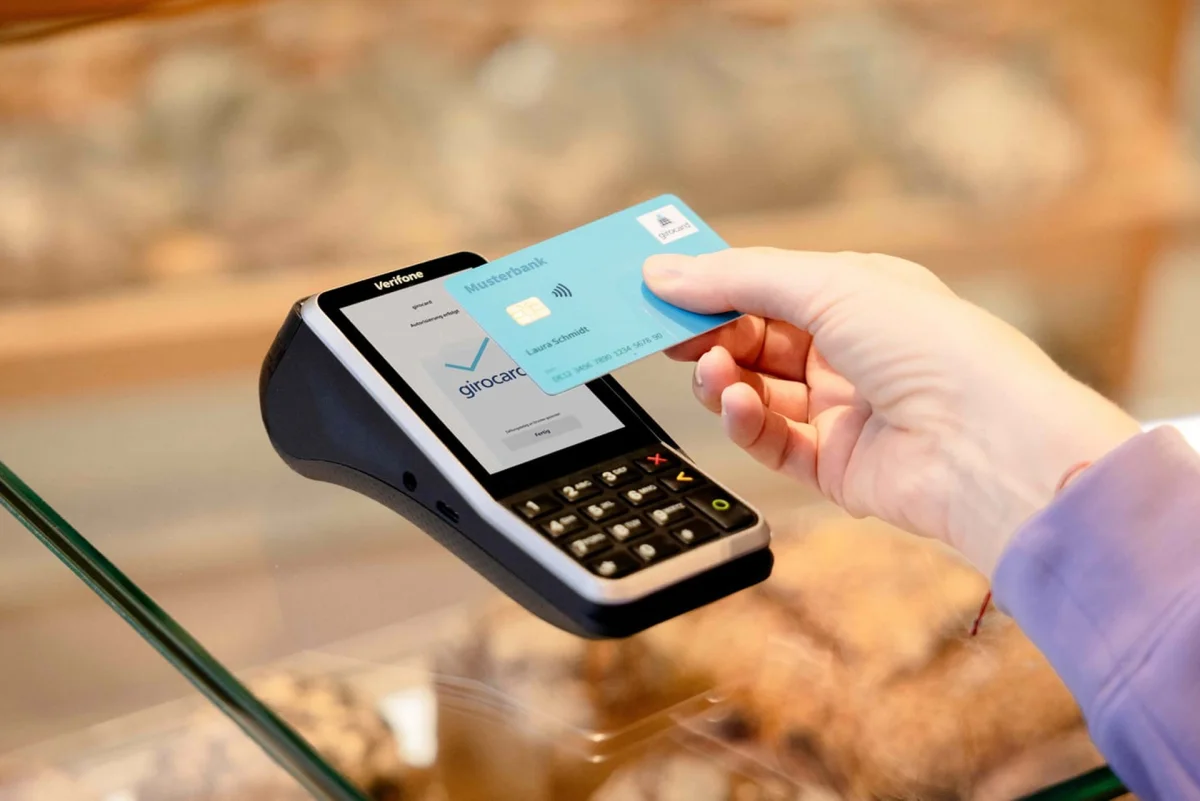
Cash flow is the whole game for a small shop. SumUp’s standard settlement to your bank is 2 to 3 working days, so a Monday sale typically lands Wednesday or Thursday. Next-day options exist, but sometimes only into the provider’s own account or for a small fee. If you restock weekly, a three-day lag is a real squeeze.
Who pays when a payment is disputed?
A chargeback is a customer’s bank clawing back a sale. SumUp doesn’t charge a per-dispute fee and instead deducts the disputed amount from your next payout, reimbursing you within 15 days if you win. Others bolt on a 10 to 25 euro admin charge per dispute. For a shop selling 3 euro snacks, one chargeback plus a fee can wipe out a morning’s margin.
Are you locked into hardware or a bank?
Some setups demand a pricey terminal, a new business account, or a contract with teeth. The good ones don’t. Watch for card minimums too: small shops often set a 5 to 10 euro minimum for cards, a business choice tied directly to fees. If your payment method forces minimums, you’re losing the impulse sale at the counter.
Does it fit how Germany actually pays?
This isn’t optional context, it’s the market. In 2025, cashless means were used for 55% of purchases for the first time, though cash still led at 45%, with debit cards second at 26%. And the gap for small shops is stark. More than 90% of retailers with at least ten employees accepted girocard, versus only 70% of those with fewer than ten. A card method that handles girocard well isn’t a nice-to-have here; it’s the whole point.
Who are the best card payment providers for small merchants?
No single winner. The right pick depends on your basket size, your mix of cards, and whether you’re offline-only. Here’s how the main options stack up.
| Provider | In-person rate | Hardware from | Settlement | Best for |
|---|---|---|---|---|
| SumUp | 1.69% flat | ~39 euros | 2–3 days (next-day option) | Mobile sellers, market stalls, low volume |
| Zettle (PayPal) | ~1.75% flat | ~30 euros | Next working day | Shops already in the PayPal world |
| Mollie | Card-type based | ~Mollie Tap reader | Per successful transaction | Merchants blending online and POS |
| Square | 1.75% chip/contactless | ~39 euros | Next-day to bank | Inventory-heavy retail |
| Zahlo | 0% transaction fees | No mandatory terminal | Automatic reconciliation | Offline shops: kiosks, Spätis, cafés |
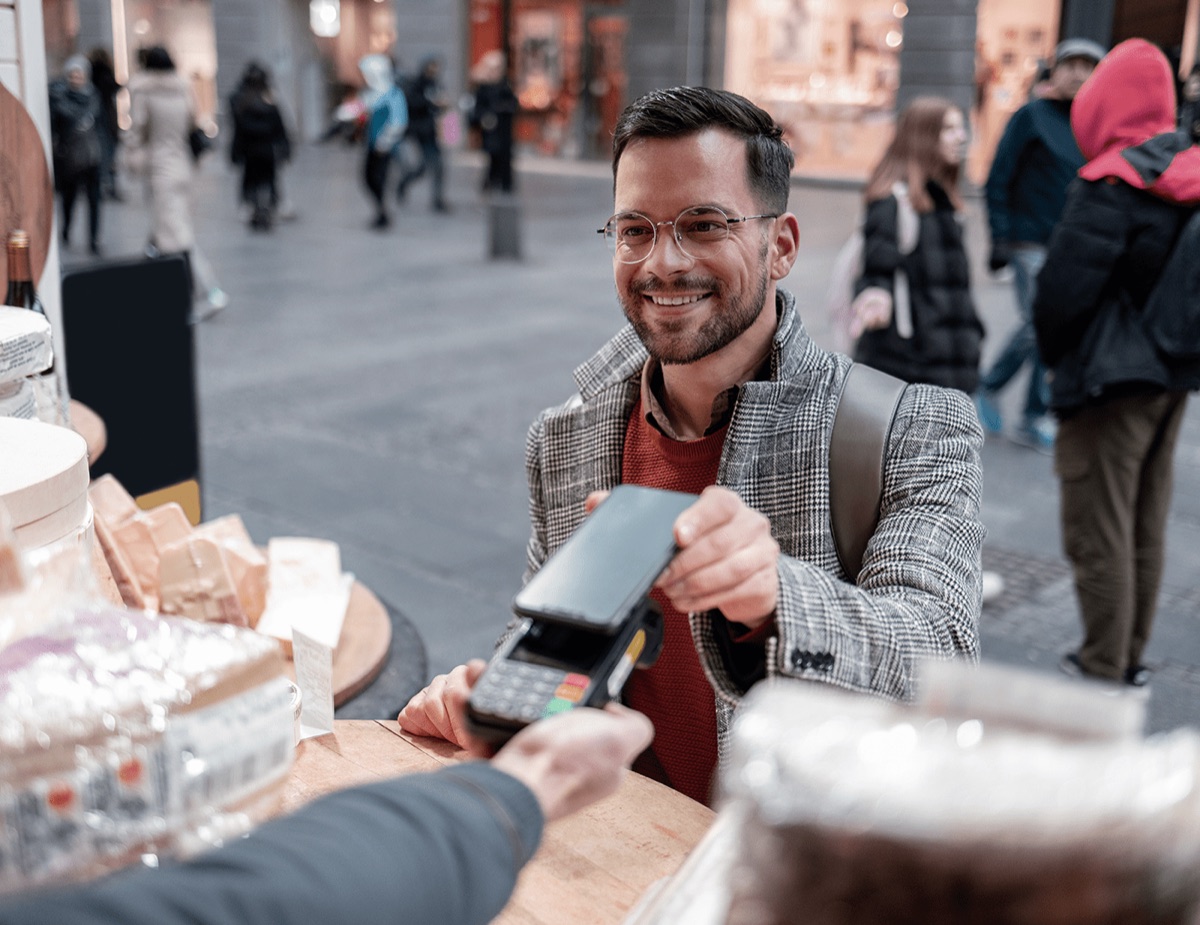
A few honest notes. SumUp charges a flat 1.69% with no monthly fees, no minimums and no contracts, with readers from around 39 euros. Clean and simple, and great at low volume, but that flat percentage stops being your friend as you grow. Zettle is a popular SumUp alternative, especially for smaller merchants with a PayPal connection, though it’s less suited to sophisticated omnichannel setups. One thing to know going in: PayPal’s automated risk system can pause Zettle settlement for review, particularly on new accounts or after a volume spike. Build a cash buffer if that’s you.
Mollie earns its place if you sell online and in person and want one dashboard. Square is the pick when inventory and reporting depth matter more than the lowest rate.
Where does Zahlo fit in?
I’ll be straight about why we built Zahlo, because it answers a problem the flat-rate crowd doesn’t. The whole list above charges a percentage of every sale. On a 4 euro Späti transaction, that percentage is the difference between a good day and a flat one. Zahlo runs 0% transaction fees, so the small basket that punishes a percentage model stops being a tax on every coffee and bottle of water you sell.
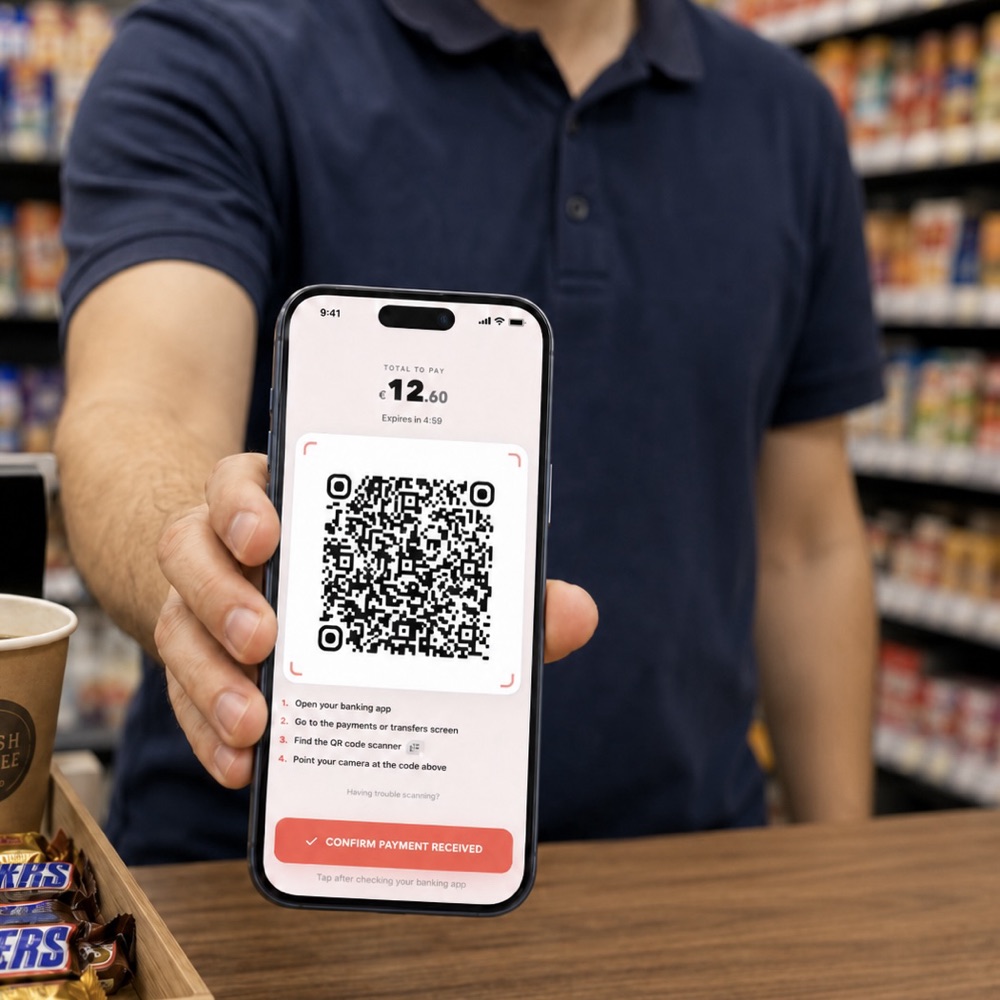
Then there’s chargebacks. Even the merchant-friendly providers still expose you to them; you fight the dispute, you wait, you hope. Zahlo simply has no chargebacks, which removes a category of risk and admin that small shops should never have had to carry.
And it’s built for the offline reality on purpose. No expensive mandatory terminal, no new bank account, no forced hardware. You get built-in inventory tools and automatic reconciliation, so the end-of-day count stops being a chore. For a kiosk, a Späti, a café, or a small shop still leaning on cash and card minimums, that’s a cheaper, more practical way to take payments without the percentage quietly eating your margin.
So which should you choose?
Match the tool to your counter. If you sell occasionally at markets, SumUp’s flat 1.69% and cheap reader are hard to beat. Already living in PayPal? Zettle is the path of least resistance. Selling online and offline together? Mollie. Inventory-heavy? Square.
But if you’re a small offline merchant doing high volumes of small-ticket sales, the percentage model is working against you on every transaction, and that’s the gap Zahlo closes with 0% fees and no chargebacks. Run your own numbers first: take your average basket, multiply by your daily count, and see what each rate actually costs you over a month. The provider that wins on paper is rarely the one with the prettiest homepage. Then pick the one that leaves the most money in your account at the end of the week.
Frequently asked questions
What fees do small merchants pay for card payments in Germany?
Most mobile providers charge a flat 1.69% to 1.75% per transaction. Girocard runs cheaper for the merchant, around 0.2% to 0.3% of the sale. Zahlo charges 0% transaction fees on its plan.
Do small merchants get charged for chargebacks?
It depends. SumUp deducts the disputed amount from your next payout with no per-dispute fee, while some providers add a 10 to 25 euro admin charge. Zahlo removes the risk entirely with no chargebacks.
How fast do card payment providers pay out?
Standard settlement is usually 1 to 3 working days to your bank. Some offer next-day payouts, sometimes for a small fee or only into the provider's own account.